Grocery shopping is one of those mundane weekly tasks we all have to do that’s why so many of us go on autopilot for it.
But here’s the truth: your grocery trip is one of the biggest opportunities you have to set yourself up for balanced eating all week. It’s often the first real step toward your nutrition goals because if the right foods aren’t in your kitchen, it becomes way harder to eat in a way that supports your energy, blood sugar, and consistency.
One of the most common things my clients say is:
“I know what I should eat… I just don’t know what to buy.”
That’s exactly why I created this grocery shopping framework.
✅ Want the quick version?
I made a downloadable, reusable grocery list outline you can use every week before heading to the store.
Now let’s break down how to grocery shop with intention without making it complicated or time-consuming.
The Weekly Grocery List Outline (Simple + Repeatable)
This is the framework I use with clients because it keeps shopping focused, balanced, and realistic.
Your Weekly Grocery Categories:
- Protein (pick 3–5)
- Vegetables (pick 3)
- Fruit (pick 2–3)
- Starches or Carbs (pick 2–3)
- Healthy fats (as needed)
This approach gives you enough variety to stay interested — without buying so many things that food ends up wasted.
How to Set Yourself Up for Grocery Shopping Success
1) Start with a Simple Plan
You don’t need a full meal plan. You just need a few go-to meals.
Start by choosing 3–4 simple meals for the week, like:
- egg bites or breakfast tacos
- grain bowls or salad bowls
- sheet-pan chicken + veggies
- stir-fry with frozen vegetables
- crockpot chili or soup
Repeat meals on purpose to save time, money, and decision fatigue.
💡 Quick Tip: Before you shop, quickly check what you already have (especially protein, frozen foods, and pantry staples). This helps avoid duplicates and reduces food waste.
2) Don’t Shop Hungry
This is one of the most underrated grocery shopping tips.
If you shop while hungry, it’s not your “rational brain” making choices — it’s your hunger driving the cart. That usually leads to:
- spending more money
- buying random snack foods
- skipping ingredients you actually need for meals
Even a small snack before shopping helps (Greek yogurt, a protein bar, a handful of nuts, a latte + breakfast sandwich… whatever works).
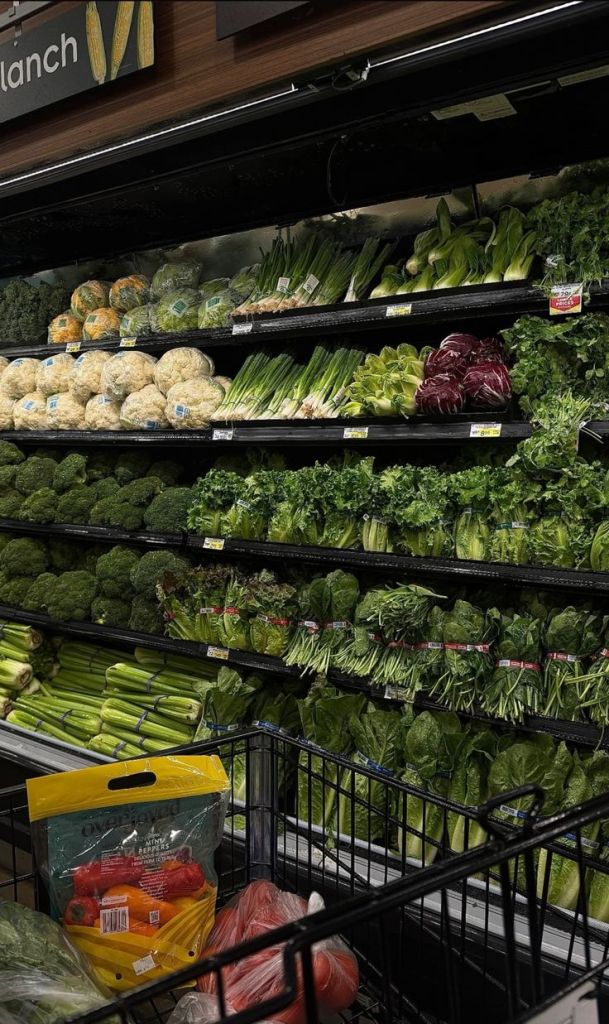
3) Shop the Perimeter First
Most whole foods live on the perimeter of the store: produce, proteins, dairy, and eggs.
Use that to your advantage.
Build your cart like this:
- Fruits + veggies: aim for about half your cart
(and yes — frozen and canned count too) - Lean proteins: chicken, turkey, eggs, fish, tofu, beans, Greek yogurt
- Smart carbs: oats, brown rice, quinoa, whole wheat pasta, potatoes
Once you’ve hit your basics, then head into the center aisles for extras.
4) Keep a “Nutrition Staples” Pantry
Balanced meals feel easier when your pantry is stocked with a few basics you can mix and match.
Staples to keep on hand:
Proteins
- canned tuna or salmon
- beans, lentils
- edamame
- protein powder (optional)
Starch/ Carbs
- oats
- rice or quinoa
- whole wheat pasta
- potatoes
Healthy Fats
- olive oil
- nuts and seeds
- avocado
Flavor Boosters
- salsa
- mustard
- hot sauce
- herbs + spices
These are the “backup plan” ingredients that make it easier to throw meals together even on busy weeks.
5) Use Nutrition Labels for Quick Smart Swaps
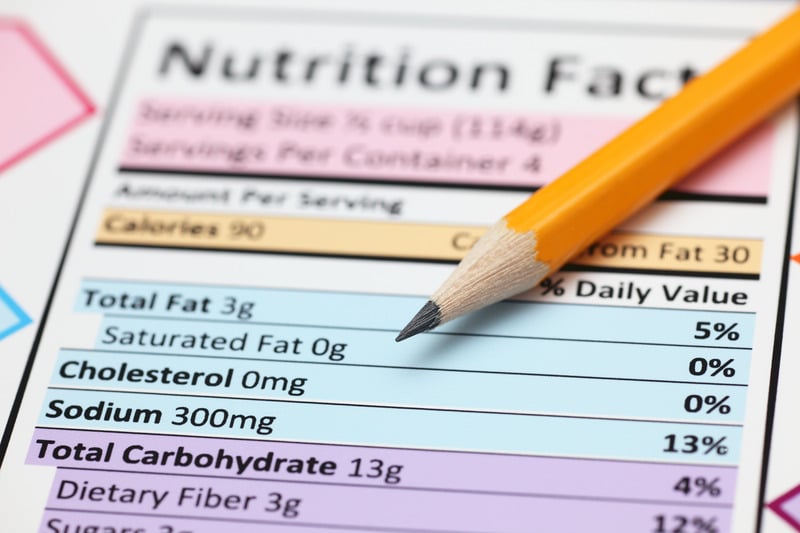
You don’t need to read every label — just focus on a few key numbers.
My quick grocery label rules:
- Protein: aim for 25g+ per meal and ~10g per snack
- Fiber: look for 3g+ per serving (especially grains and packaged snacks)
- Added sugar: aim for <8g per serving (especially cereal, yogurt, sauces)
- Ingredients: simpler is usually better — minimize hydrogenated oils and lots of added syrups
This helps you shop in a way that supports steady energy and balanced blood sugar without being overly rigid.
6) Buy in Bulk (Strategically)
Bulk can be a huge money saver — if you do it intentionally.
Best bulk buys:
- frozen produce
- chicken, fish, shrimp
- oats, rice, quinoa
- nuts and seeds
If you buy family packs of meat, portion them into freezer bags so it’s easy to grab and defrost as needed.
7) Use Convenience Foods Wisely
Balanced eating doesn’t have to mean everything from scratch.
Convenience foods that can save you time (and still support your goals):
- pre-chopped veggies
- salad kits
- microwave-ready grains
- rotisserie chicken
- pre-cooked lentils
- frozen shrimp and stir-fry blends
- cauliflower rice
This is one of the biggest mindset shifts I teach clients: the “best” plan is the one you can actually follow.
8) Shop With Prep in Mind
As you shop, ask yourself:
- “Can I cook this once and use it 2–3 ways?”
- “Can this protein become dinner and tomorrow’s lunch?”
- “Can this starch work for dinner and breakfast bowls?”
Examples:
- Roast broccoli → use with pasta, as a side, and in eggs
- Cook chicken → use for wraps, salads, and stir-fry
- Make rice → use for dinner bowls and fried rice the next day
This is how grocery shopping turns into meal ease all week.
9) Create a Simple Post-Shopping Routine
You don’t need a full Sunday reset — just a few small actions that reduce effort later.
Within 24 hours, aim to:
- Wash + chop produce within 24 hours
- Batch-cook 1 protein + 1 grain
- Store ready-to-go items in clear containers so they’re easy to see + grab
- Create a snack bin for your car to ensure you always have a balanced option available if you’re not home
Even 10 minutes of prep can make the rest of the week smoother.
Bottom Line
Grocery shopping doesn’t have to feel overwhelming.
When you shop with a simple structure — protein, fruits, veg, starch, and healthy fats — you set yourself up for meals that are easier, more balanced, and more consistent… without needing perfection.
✅ Want the printable version to use every week?